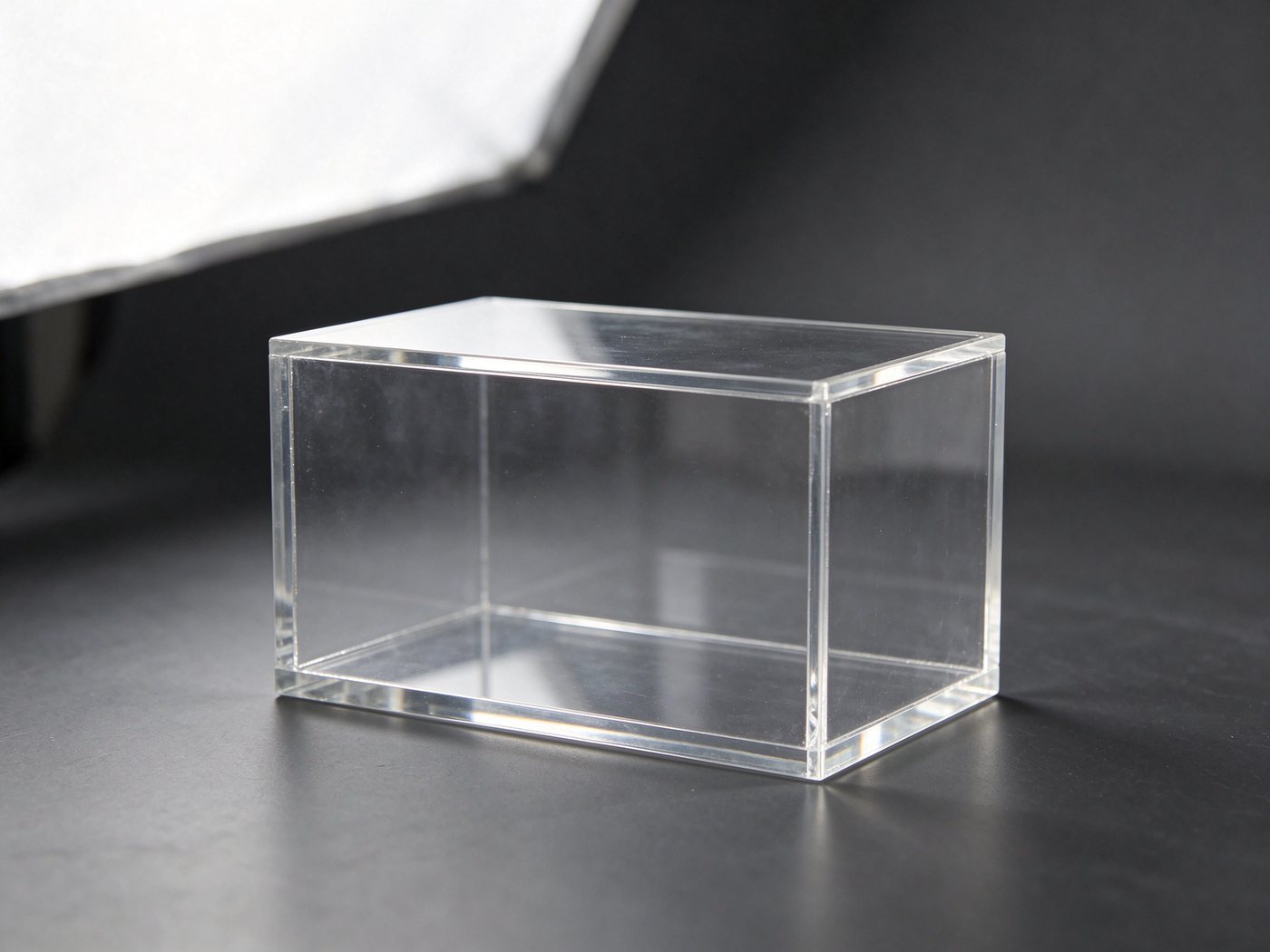
Display Stands & Cases
Seamless-bonded vitrines, risers and retail display cases from 3–20 mm cast PMMA, with diamond-polished edges and optional screen printing or laser engraving.
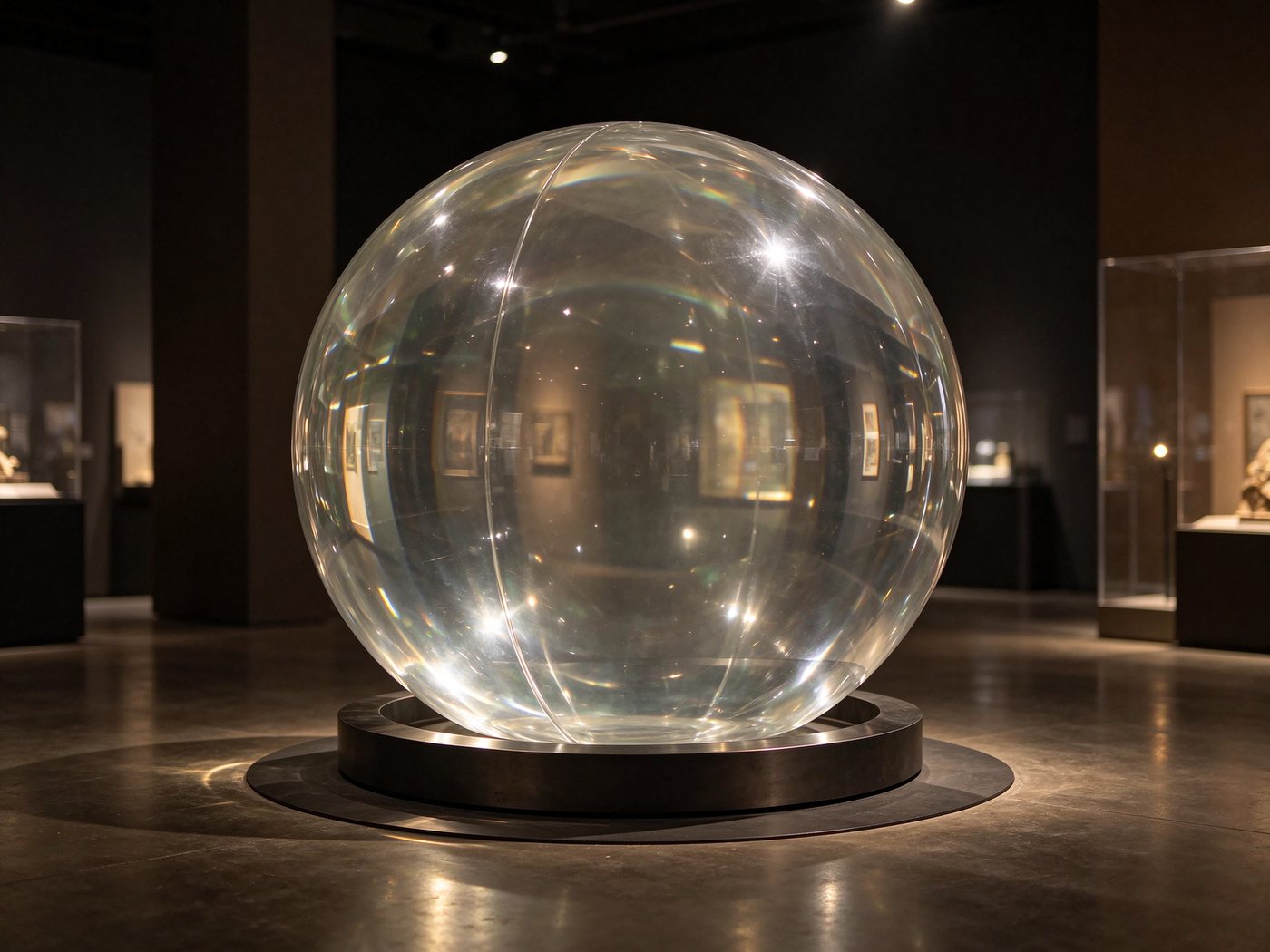
Spheres & Domes
Segmented clear PMMA spheres and domes from 300 mm to 3,000 mm diameter, thermoformed and bonded into a joint that reads as one continuous surface.
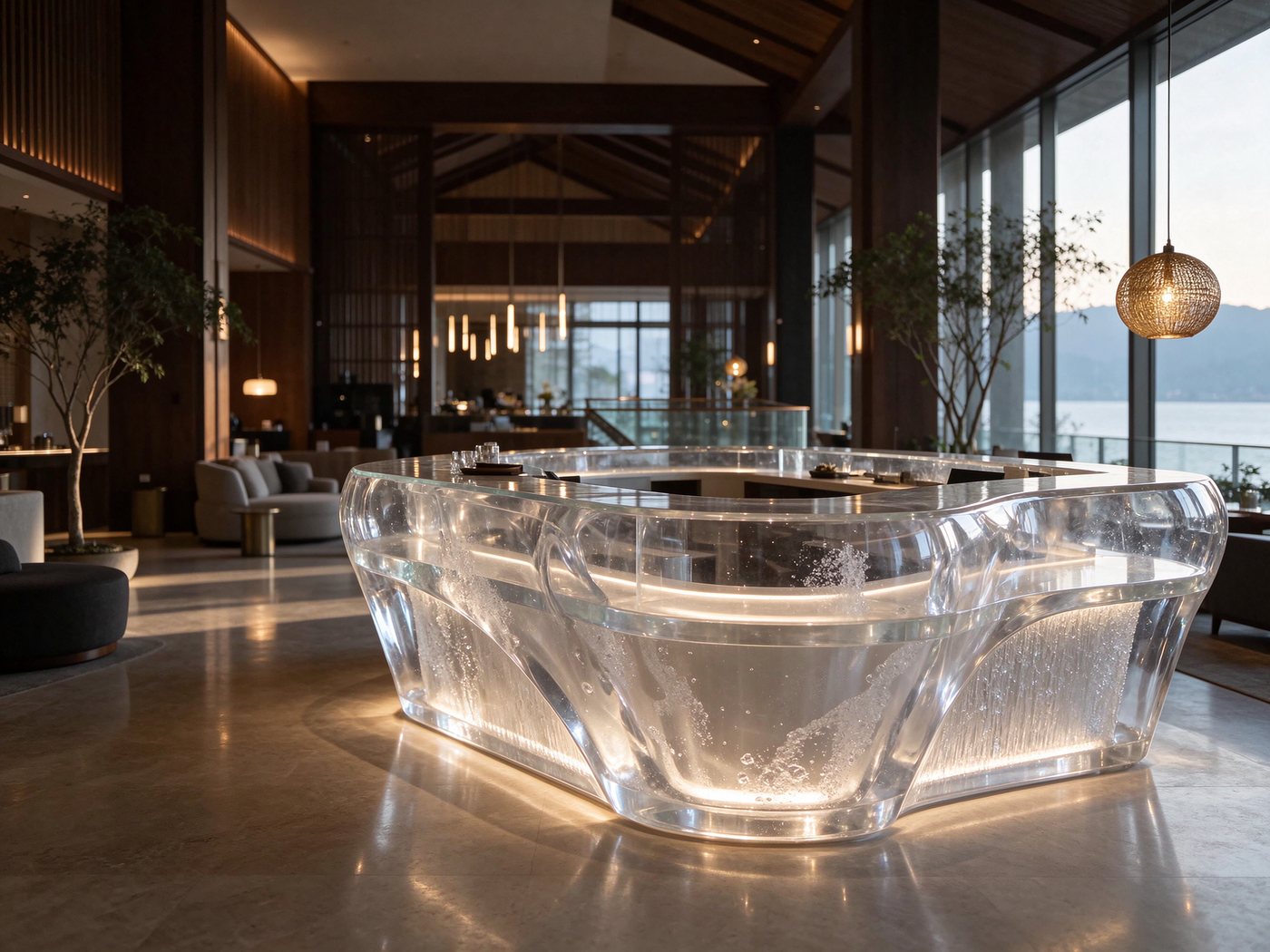
Island Counters
Hotel reception desks, bar islands and kitchen islands in 20–100 mm thick crystal-clear acrylic, with recessed LED lighting and hardened, scratch-resistant surfaces.
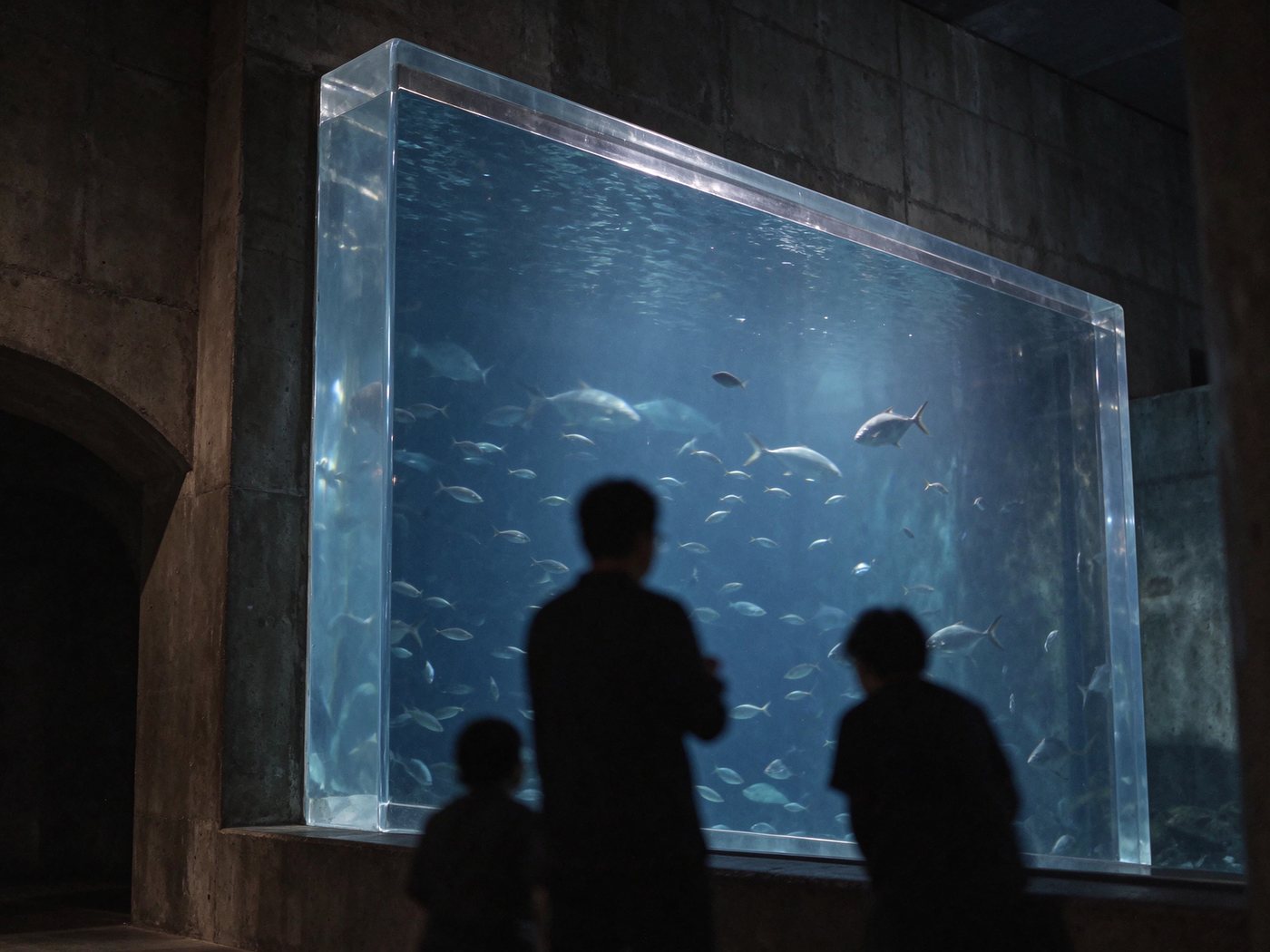
Thick Viewing Panels
Aquarium, pool and architectural viewing windows from 50 mm to 600 mm thick cast PMMA, pressure-rated, annealed and supplied with sealing and installation guidance.
Lighting Fixtures
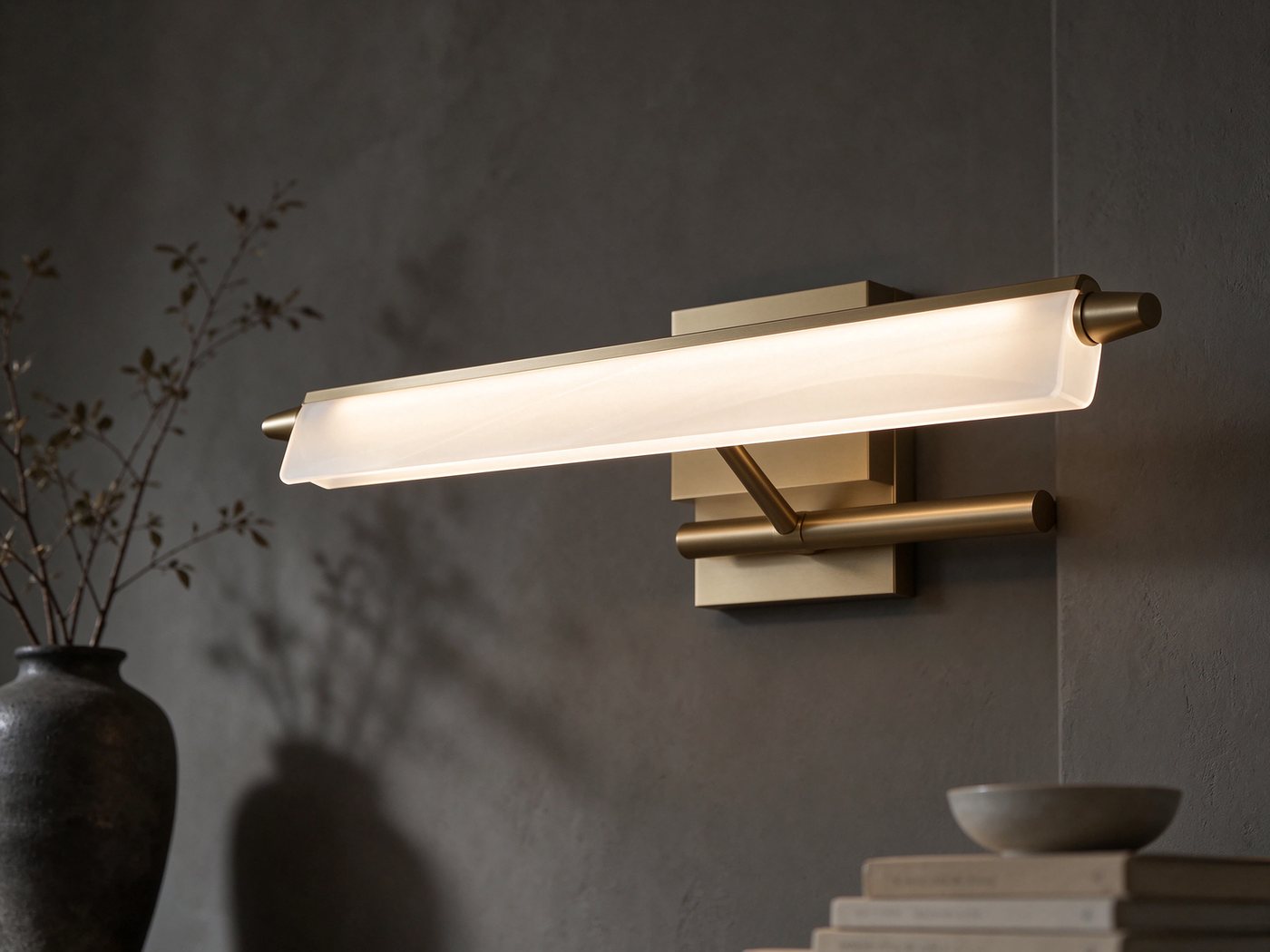
Optical acrylic diffusers and light guides combined with die-cast zinc-alloy bodies — custom wall, pendant and linear fixtures engineered for even, hotspot-free output.
LED Inflatable Planets
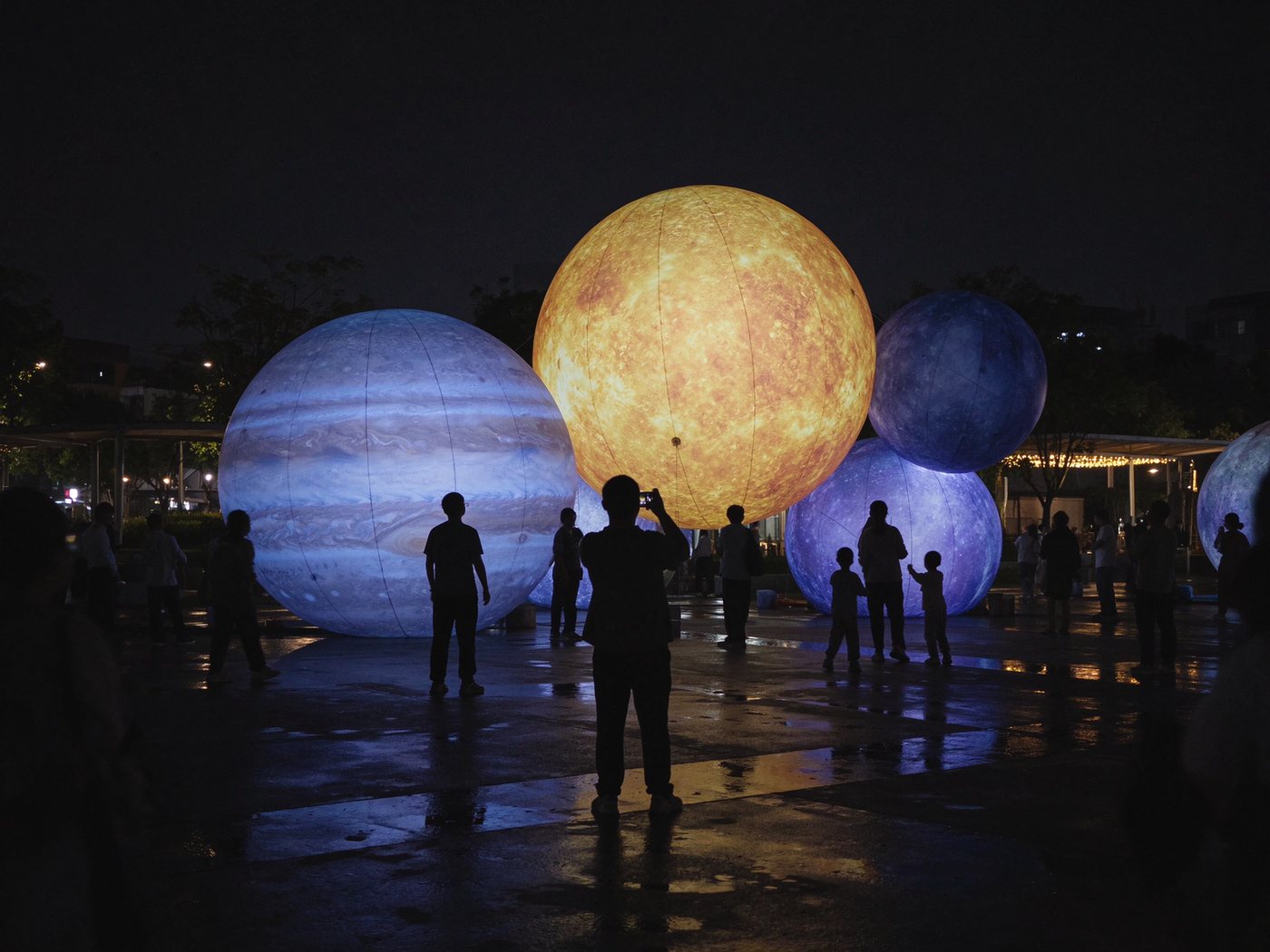
Internally lit inflatable planets and celestial bodies from 1 m to 10 m diameter, printed with NASA-derived surface maps and built for outdoor festival and event use.